
The Benefits of Japan’s 20-Minute Outdoor Stillness Practice
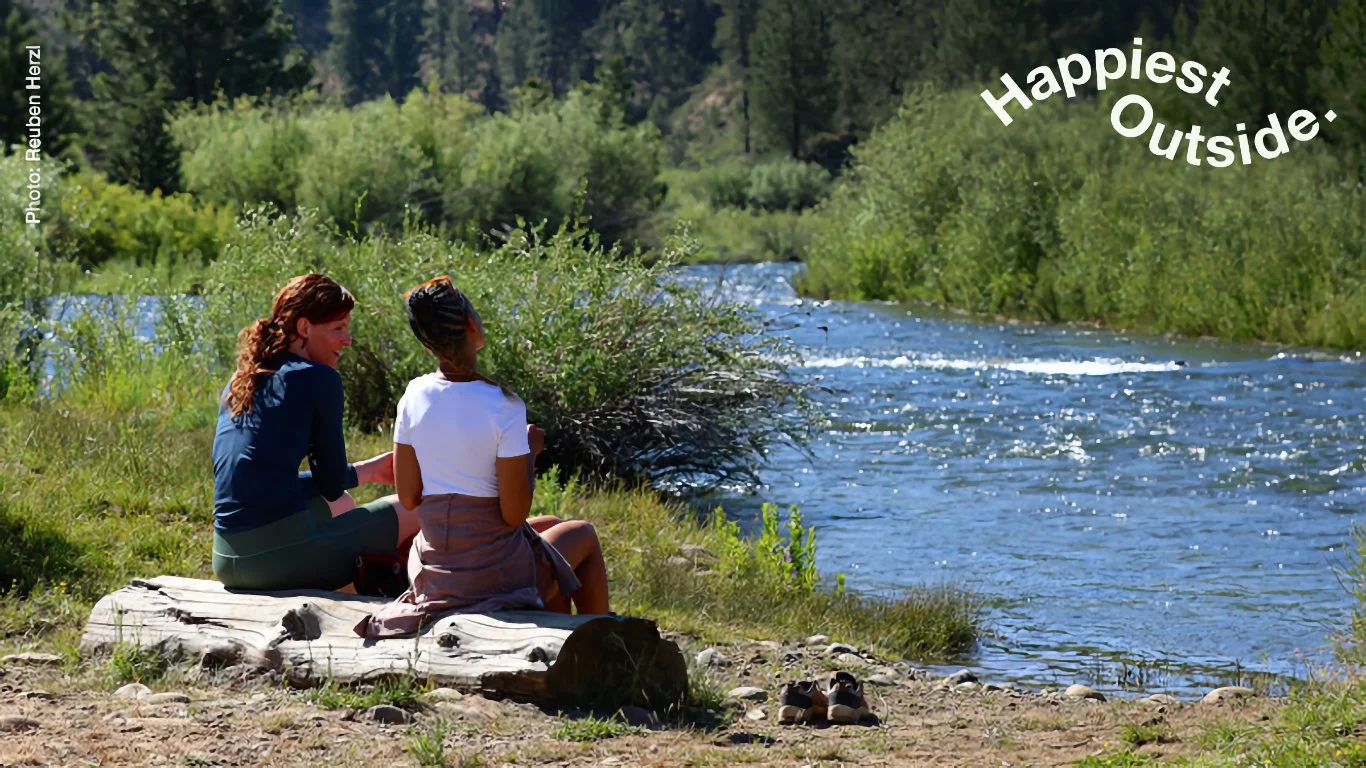
Image via Trust for Public Land
For years, Dr. Suzanne Bartlet Hackenmiller, an OB-GYN, knew healing as something that happened in clinical settings –– until two life-altering events expanded the aperture of her medical microscope. First, her three-year-old son was diagnosed with autism, and alternative treatments seemed to hold as much promise as pharmaceutical ones. Then, in 2008, her husband was diagnosed with stage 4 lung cancer, despite being a nonsmoker.
Her questioning led her to a fellowship at University of Arizona in integrative medicine. And after her husband died in 2012, she sought treatment not in the clinic but in nature, recovering from her own grief and discovering happiness again with a healthy dose of trail running, mountain biking and kayaking. “At first, for me, it was all about the adrenaline,” she says. “And somewhere along the way I decided to slow down and have some balance.” That’s when she discovered the healing power of forest bathing.
Known as shinrin-roku in Japan, where it originated, forest bathing is quickly gaining awareness among both nature lovers and medical professionals in the West. Now a certified Association of Nature and Forest Therapy guide and the author of The Outdoor Adventurer’s Guide to Forest Bathing, Hackenmiller touts its integrative principles.